Drone Gear I Use Or Recommend
A curated mix of drones and tools — some we fly regularly, others we recommend because they’re well-built, well-priced, or genuinely useful.
What I’d Actually Tell You to Buy
If you don’t feel like overthinking this, here’s the short version:
DJI Neo 2
The best value for the money, period. Super easy to use, tough, and it actually gets used because there’s no setup. Just know it’s very light — wind matters.
DJI Lito X1
This is probably the new default recommendation. Sub-249g, solid camera, active tracking, obstacle avoidance — it does almost everything most people want, and it comes in cheaper than the Mini 4 Pro.
DJI Air 3S
This is where things step up. Dual lenses, serious image quality, and built for real work. You’ll need your Advanced license in Canada, but this is where it starts to feel professional.
Some links on this page are affiliate links. If you buy through one, we may earn a commission at no extra cost to you.
Under 250g (The Easy Way to Fly in Canada)
DJI Lito 1
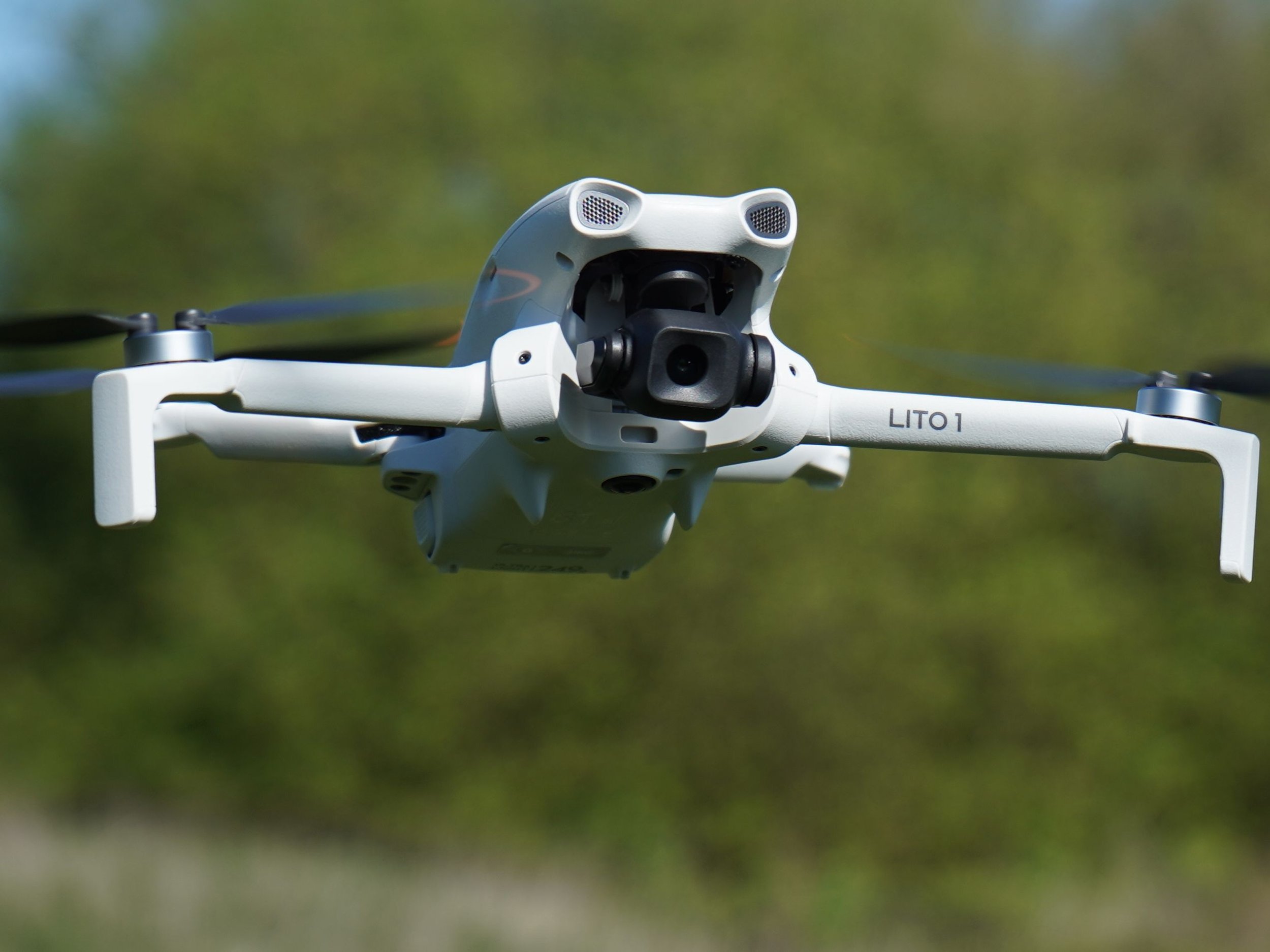
“The easy starting point.”
Built to be simple. Under 249 g, beginner-friendly, and doesn’t make you overthink anything. You still get solid video, basic tracking, and enough features to learn on without feeling like a toy. If you’re just getting into drones or buying your first one, this is where it makes sense to start.
DJI Neo 2
“The pocket sidekick.”
Palm takeoff, gesture control, and smooth tracking make Neo 2 incredibly easy to fly. It shoots stabilized 4K, has full prop guards, and takes abuse without complaint. Simple, tough, and genuinely fun — especially for kids.
DJI Lito X1
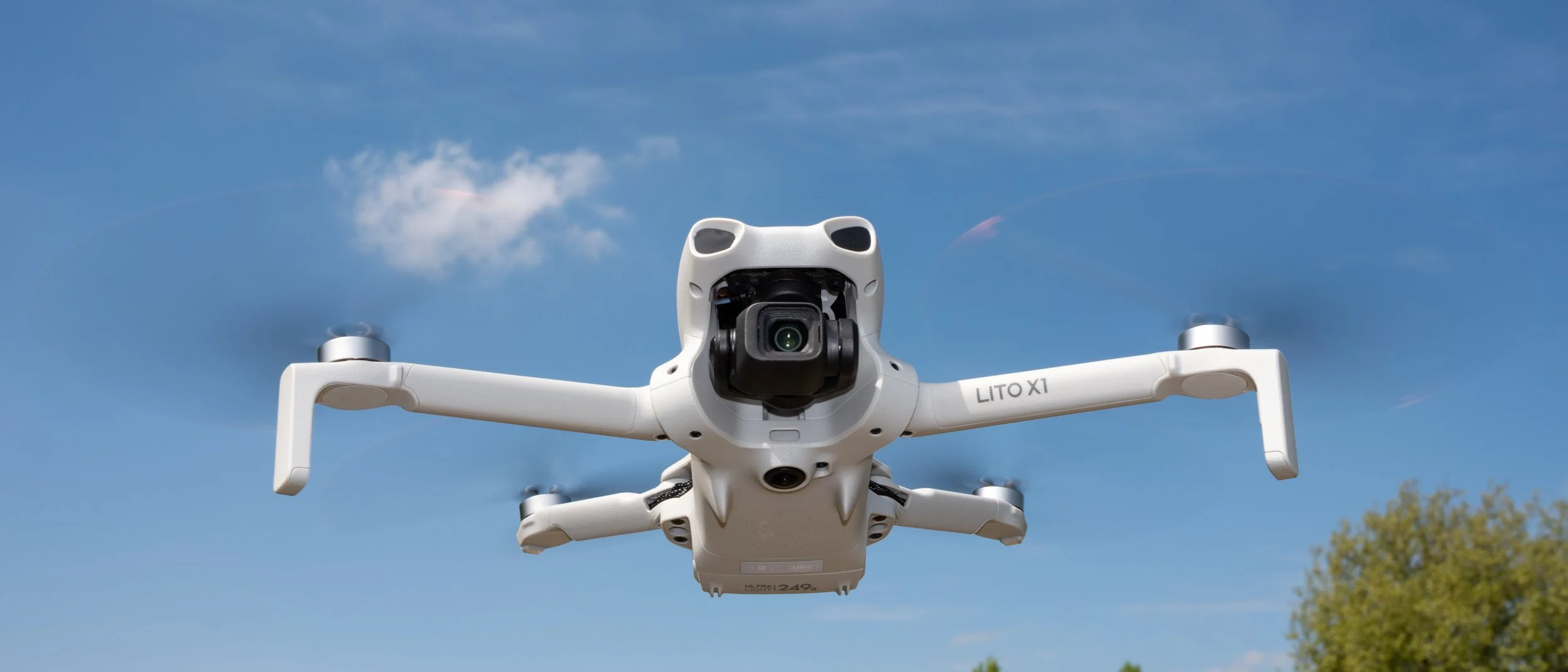
“This is the one most people should buy.”
This is where things get serious while still staying under 249 g. Better camera, proper tracking, and real obstacle avoidance that actually helps when you mess up. It’s the step up that feels worth it — more capable, more confidence in the air, and still easy to live with.
Top of the Food Chain
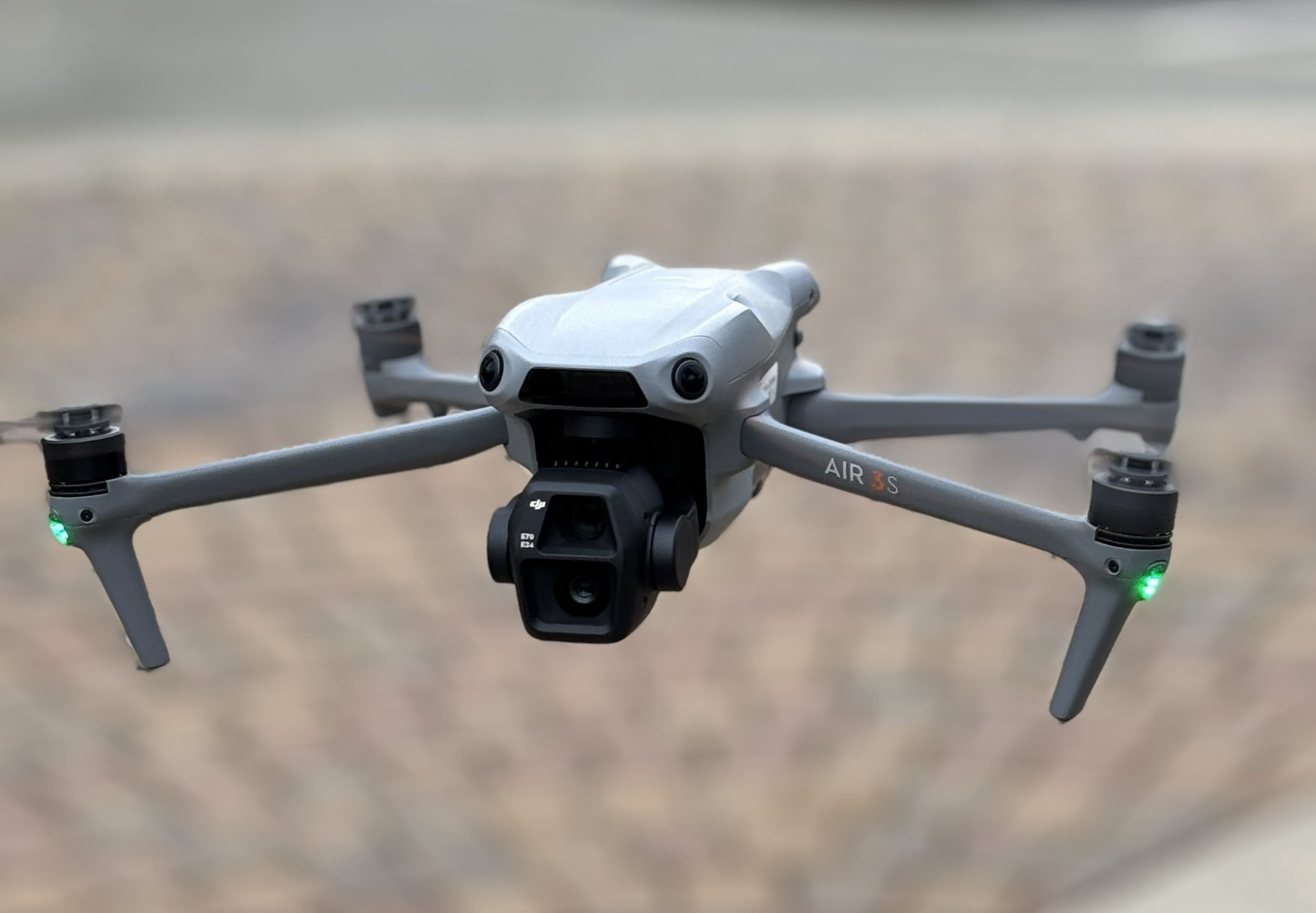
DJI Air 3S
“This one pays the bills.”
Dual cameras, better image quality, and built for real work. This is the drone you bring when it actually matters — stable, reliable, and capable in conditions where smaller drones start to struggle. If you’re flying for clients or want something more serious, this is where it starts to make sense.
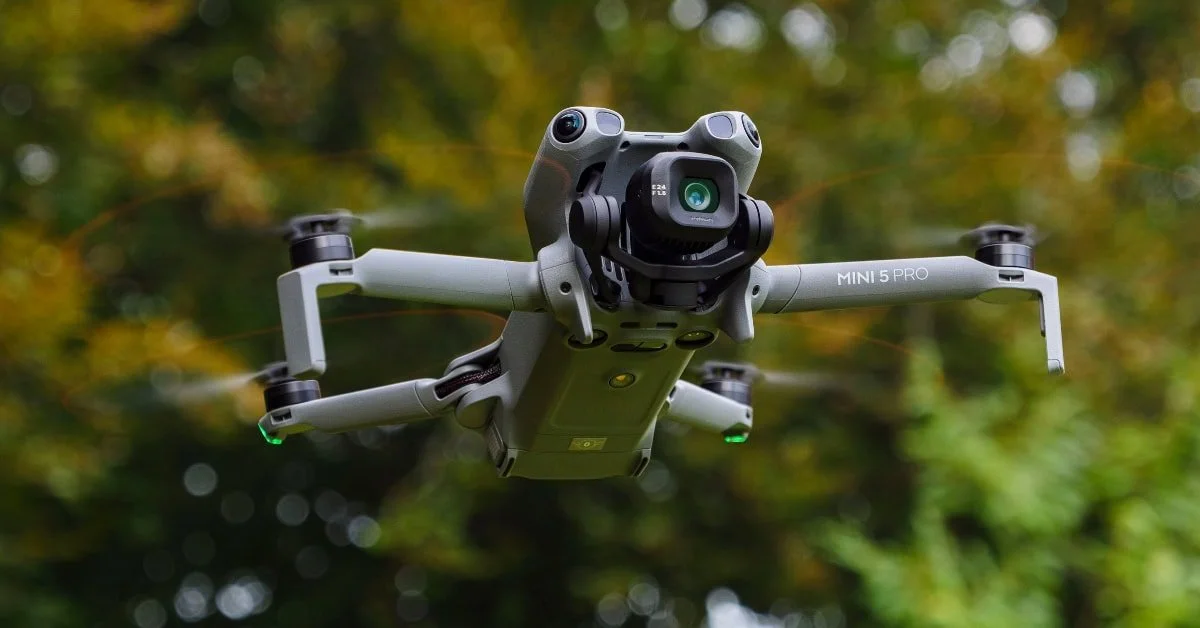
DJI Mini 5 Pro
“Powerful… but a bit of a weird fit.”
On paper, this thing is loaded. Better camera, more features, and it pushes right up against what a small drone can do. But if it’s not firmly in that sub-249 g category, it starts to lose the whole point of the Mini lineup in Canada. You’re dealing with more rules anyway, so it ends up in a bit of an awkward middle ground. Still a great drone — just not the obvious choice it should be.
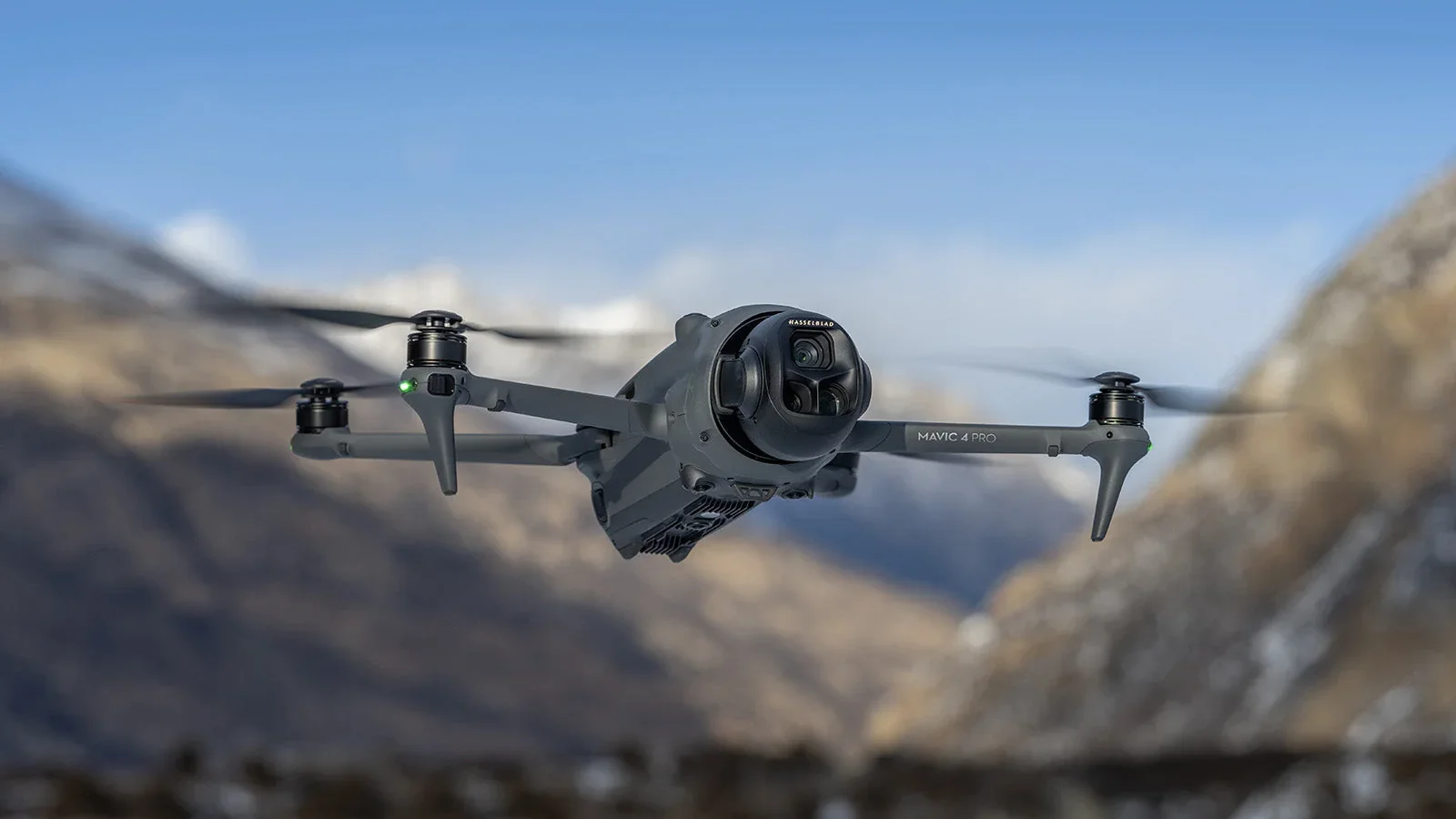
DJI Mavic 4 Pro
“100MP of pure overkill.”
Flagship Hasselblad shooter with triple cameras, 6K/60 HDR, and a 360° infinity gimbal that makes everything look cinematic. Sees in the dark, flies for 51 minutes, and beams pro-grade 10-bit video up to 30 km. Comes with the RC Pro 2 — a 7″ control deck that feels more like a film rig than a drone remote.
Tools Of The Trade
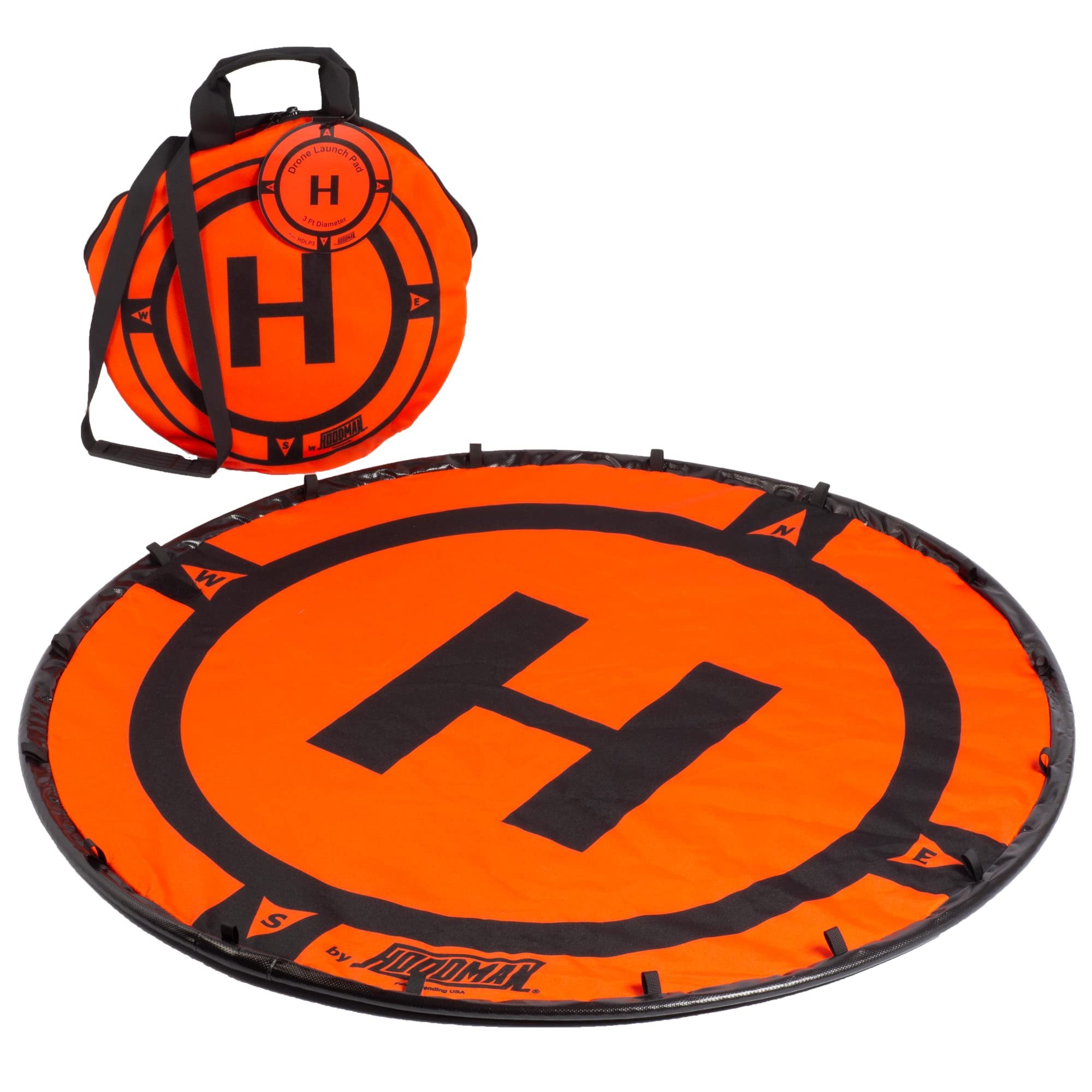
Hoodman 3-Foot Drone Landing Pad
“My favourite drone accessory. Period.”
This thing goes everywhere with me. The weighted perimeter keeps it planted without stakes, it springs open in seconds, and it keeps sand, grass, pebbles and morning dew away from the drone. It isn’t cheap for a landing pad, but it’s incredibly well made—and probably the best accessory I’ve ever bought.
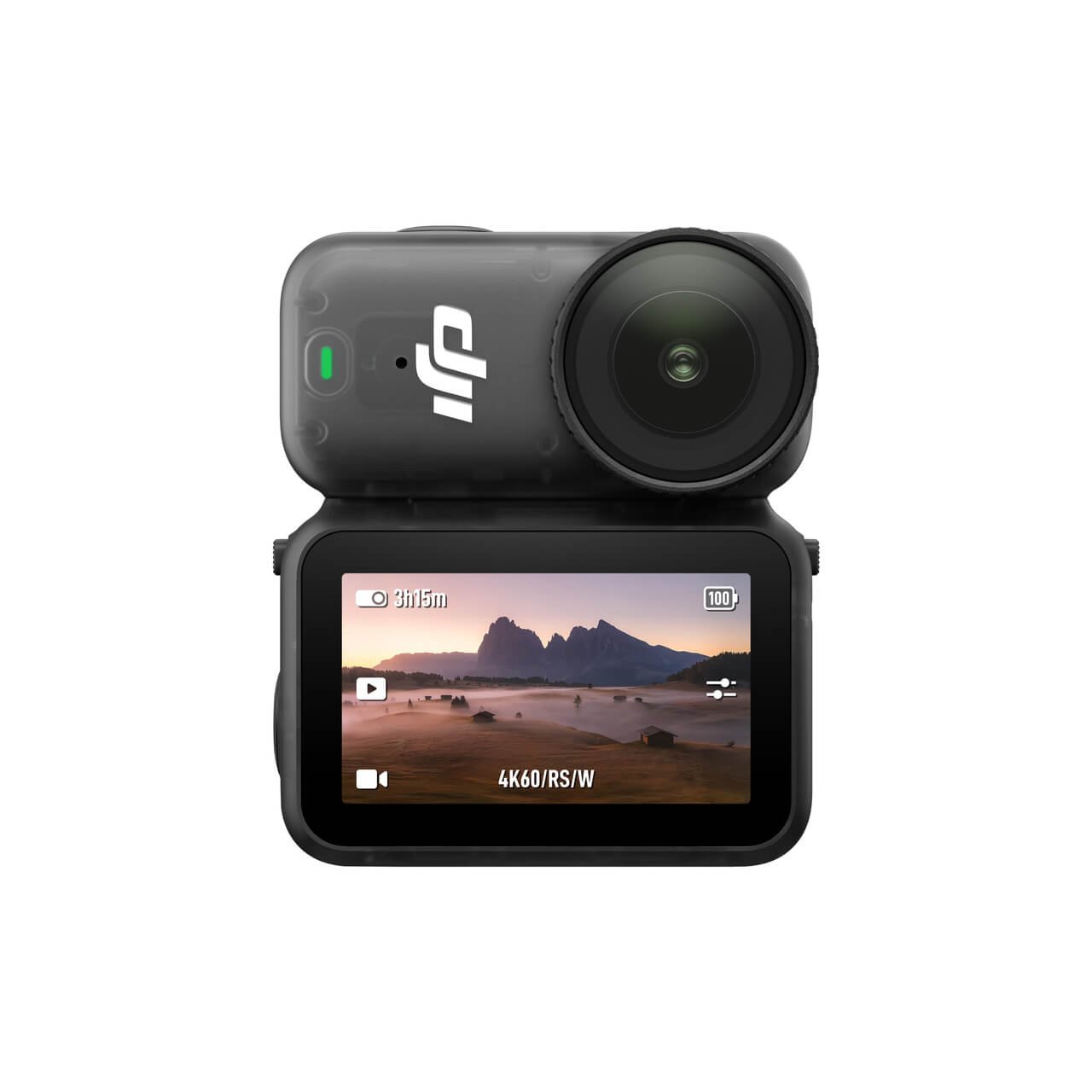
DJI Osmo Nano
“The little camera that goes everywhere.”
Tiny, lightweight and ridiculously versatile, the Osmo Nano gets used constantly because it’s so easy to bring along. It records great-looking video, works brilliantly for hands-free shots and unusual angles, and never turns filming into a whole production. We love this little thing.
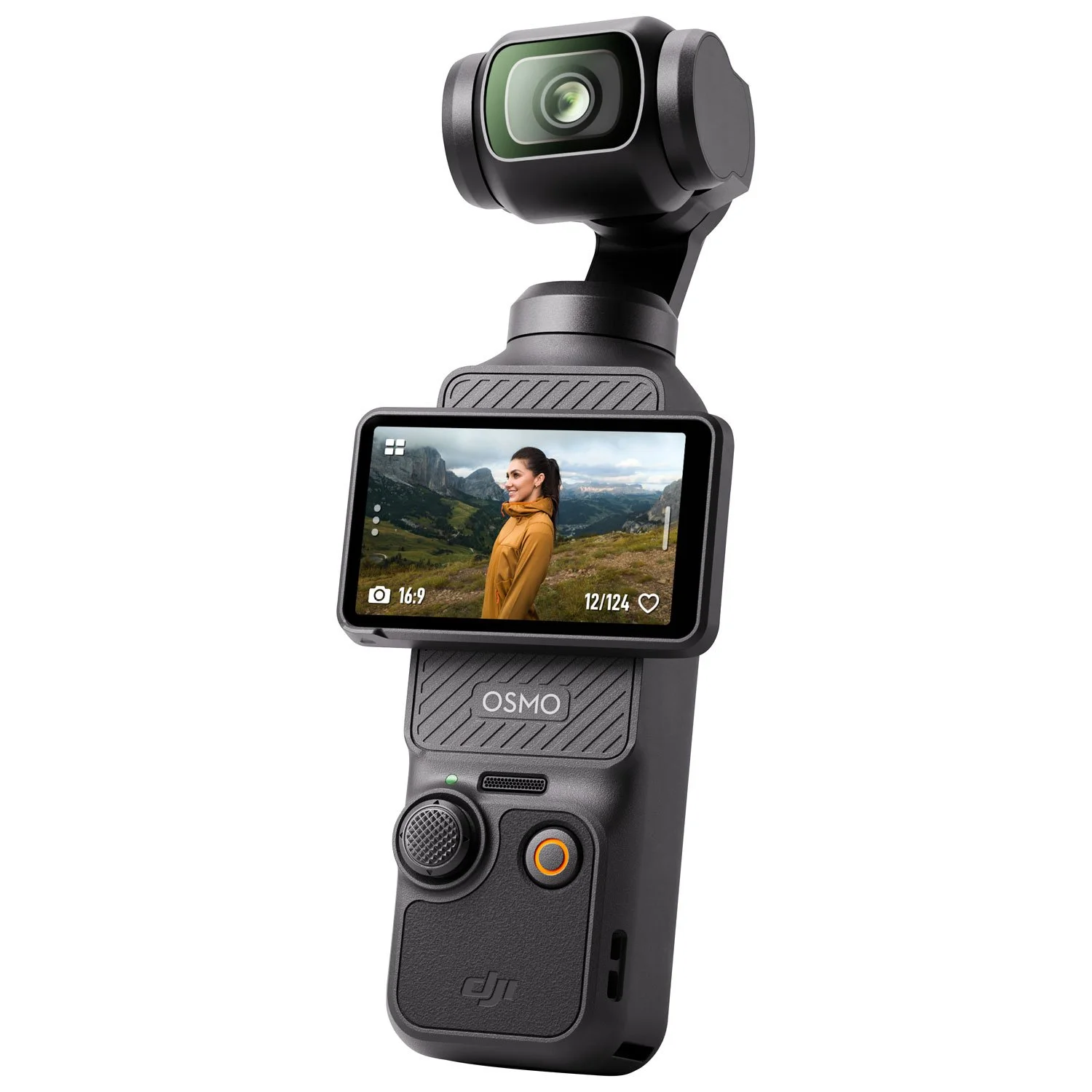
DJI Osmo Pocket 3
“Popular for a reason.”
The Pocket 3 isn’t part of our current kit, but it remains one of the most popular compact cameras available—and for good reason. Its one-inch sensor, excellent stabilization and subject tracking produce seriously impressive video without carrying a full camera rig. Small, proven and easy to use, it’s still a very safe recommendation for vloggers and everyday creators.
Affiliate note:
Some DJI links on this site may be affiliate links. If you buy through them, Vancouver Island Drones may earn a small commission at no extra cost to you. This helps support our ongoing DJI Addiction Anonymous recovery program, which has been going terribly. Meetings are at sunrise. Bring charged batteries.