Drones in Victoria, BC: What You Need to Know Before You Fly
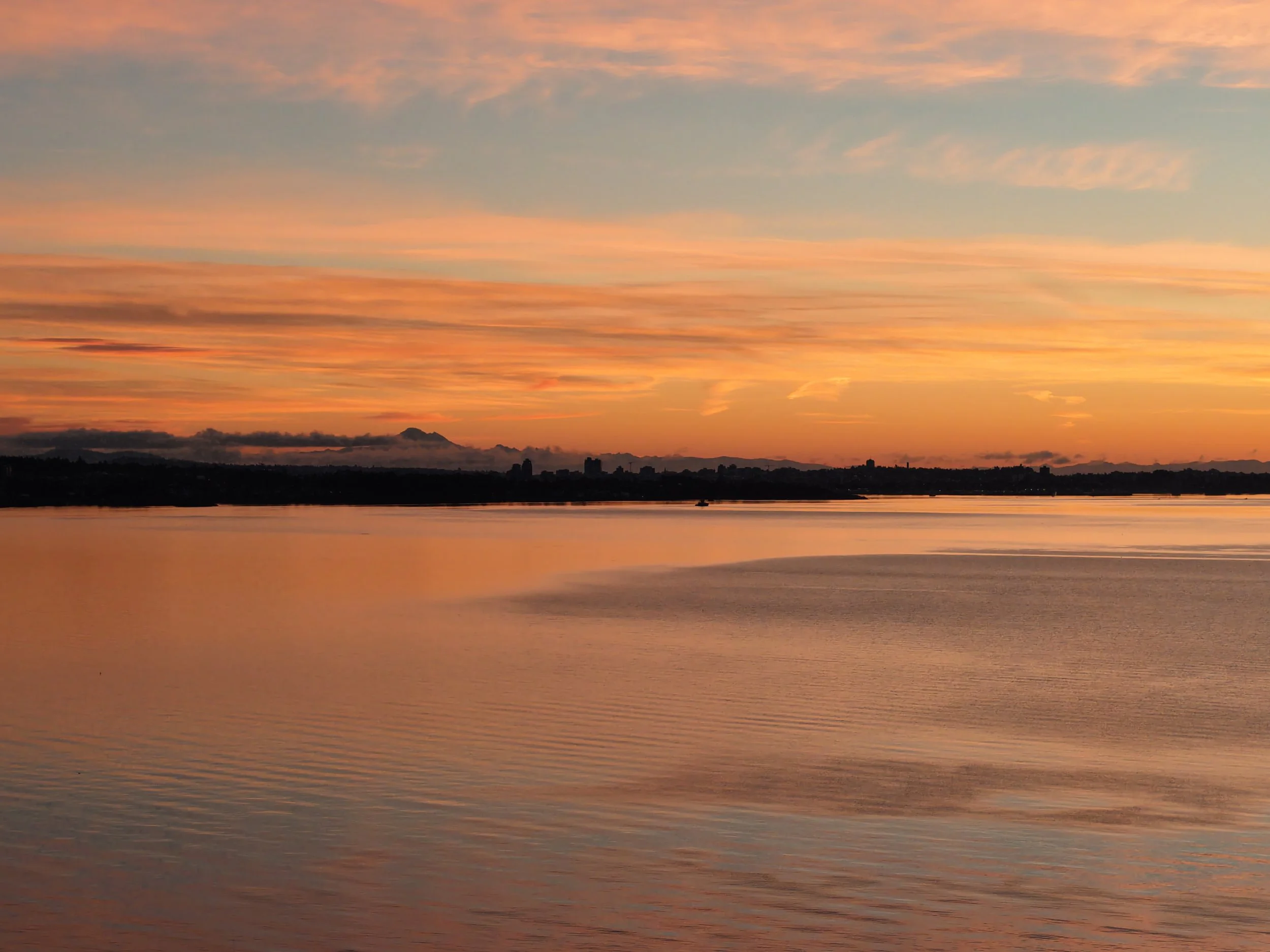

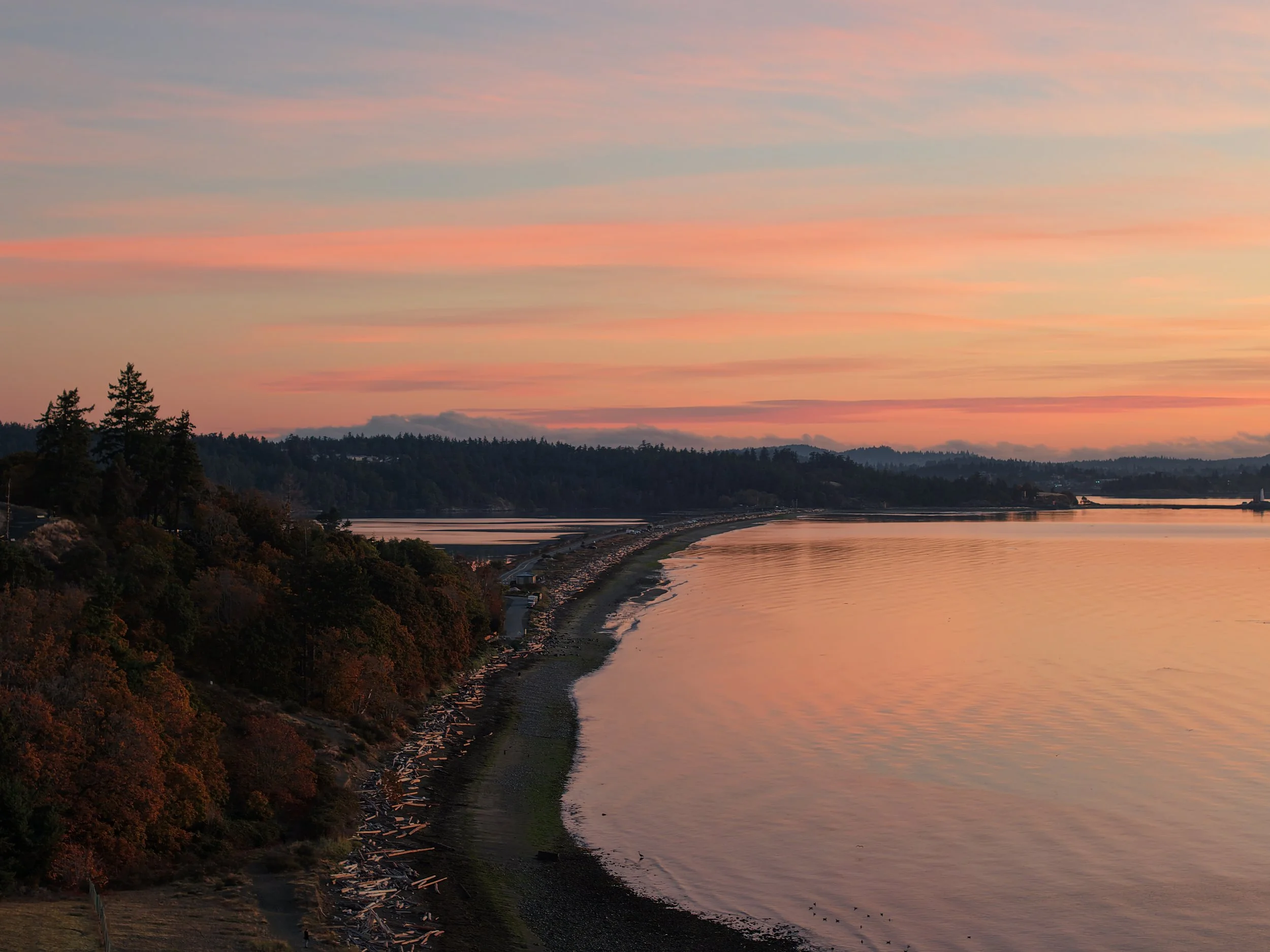
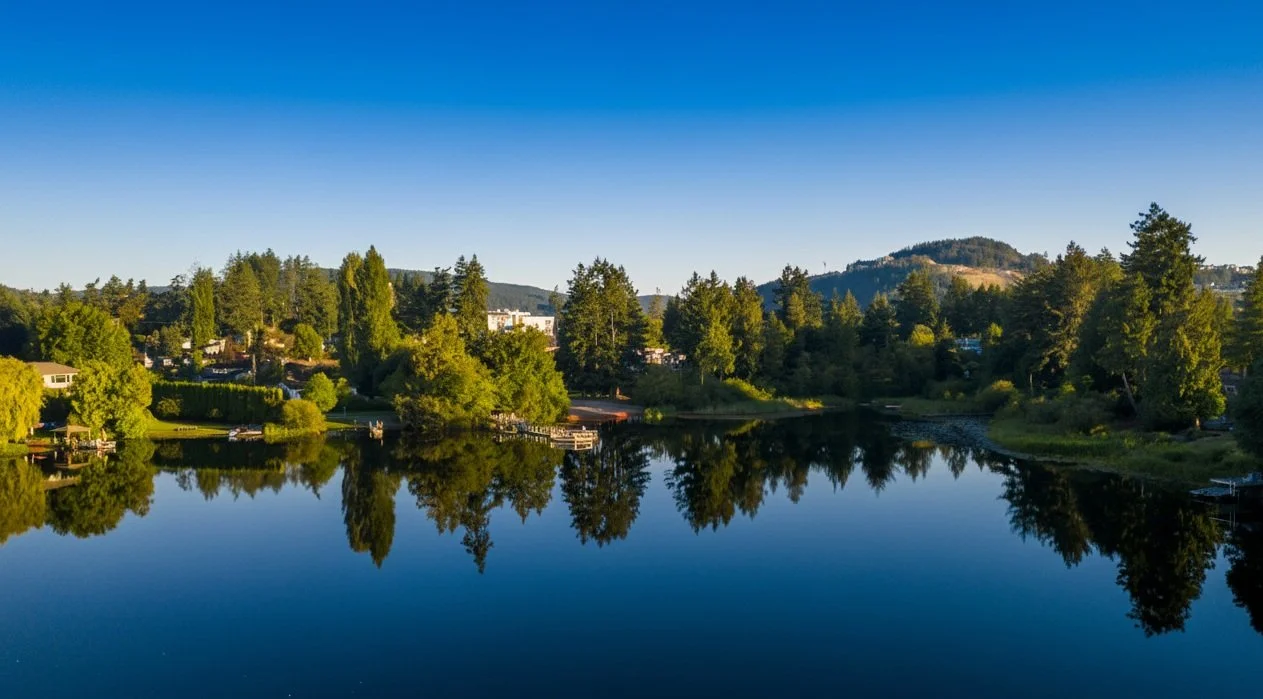
Flying a drone in Victoria seems simple enough — beaches, open water, pretty skylines, calm mornings. But Greater Victoria is one of the more complicated pieces of airspace in the country. We share the sky with floatplanes, helicopters, Coast Guard operations, military traffic, and the far-reaching footprint of YYJ.
This isn’t meant to be a lecture.
It’s just the stuff I wish more pilots knew before they take off here.
If you’re reading this because you’re considering drone work for a business, property, or project in Victoria, this complexity is exactly why many people choose to hire a professional instead of navigating it themselves.
We offer professional drone services across Greater Victoria, with clear pricing and compliant operations — so you can get the footage you need without worrying about airspace, rules, or risk. A lot of straightforward local aerial photo and video work realistically falls in the $200–$300 range, depending on the location, planning requirements, and deliverables.
1. It’s busier up there than people think — and not just with floatplanes
Most newcomers know about Harbor Air. Very few realize how many overlapping operations exist in this tiny pocket of sky:
Floatplanes — low, fast, constant.
Helijet — departures and arrivals right downtown.
Coast Guard — helicopter activity and vessel ops.
Esquimalt military airspace — restricted zones and training flights.
Medical flights — unpredictable and priority.
YYJ control zone — much larger footprint than people assume.
You’re not flying in empty sky.
Even micro drones are part of the bigger air picture.
2. Micro drone doesn’t mean micro responsibility
A 249g drone buys you flexibility, not immunity.
Micro drones can still:
injure someone
violate privacy
drift into restricted airspace
interfere with other aircraft
worry the public
If anything, smaller drones require more judgment because they get pushed around more easily by wind.
The best thing you can do for yourself (and everyone else) is at least study the rules.
Even better: get your Basic Certificate. It’s quick, and it makes every flight safer.
3. Flying over people is a no-no — with rare exceptions (and this does NOT mean filming someone who’s part of your flight)
Here’s the simple rule:
Don’t fly over uninvolved people.
“Uninvolved people” means anyone who:
doesn’t know you’re flying
hasn’t agreed to be part of your flight
is just walking the beach, trail, or sidewalk
hasn’t been briefed on what you’re doing
Flying over random strangers is a no-go, full stop.
But this often gets confused with something different:
Filming someone who is part of your operation — your kid, your partner, a friend — is fine.
ActiveTrack on your child?
Filming a friend running along the shore?
Capturing someone who knows the drone is up and is participating?
That’s allowed, as long as you do it safely and with the right drone for the job.
The quick version:
Strangers = no.
Your kid or friend who’s in on it = generally fine.
There are rare circumstances where you can fly over people, but they require licensing, planning, proper equipment, and often an SFOC. If you’re wondering whether you qualify, you probably don’t.
Keep it simple, keep it respectful, and don’t ruin it for the rest of us.
4. Weather is the biggest liar on Vancouver Island
Ground-level weather tells you almost nothing about what’s happening 30–120 metres up.
Real example from a recent flight:
It was a calm, chilly morning with barely a breeze at my feet. But as soon as the Air 3S climbed to around 100 feet, it started getting pushed around by gusts that hadn’t been noticeable from the ground. That was enough for us — we brought it down and called it.
If the weather surprises you, land.
If it feels marginal, pack it up.
There’s always another sunrise.
5. Sunrise is the easiest time to fly
Most of my flights happen around sunrise because:
fewer people
fewer aircraft
lower winds
calmer air
fewer interruptions
more respectful all around
A quiet 7 a.m. beach gives you room to breathe and make decisions without pressure.
6. Just because you can doesn’t mean you should
This is the guiding philosophy of flying in Victoria.
Lots of places are technically legal but not appropriate depending on the crowd, the noise, or what’s happening around you.
If your flight is going to bother people or draw unwanted attention, choose a different time — or a different location. Flying respectfully keeps everyone’s experience better and protects the hobby for everyone else.
7. Victoria is incredible to fly — if you treat it properly
Despite the complexity, Vancouver Island is one of the most rewarding places in Canada for aerial cinematics:
rugged, layered coastline
dramatic weather
calm pockets of morning light
historic sites
endless shoreline
accessible beauty
Treat the airspace with respect, understand the basics, and this place will reward you every time.
Fly safe. Fly early. Fly smart.
And don’t make it harder for the rest of us.
Related Stories
Hiring a Drone Pilot in Victoria, BC — What It Costs and What You Get
Straightforward pricing, what’s included, and what the process looks like if you need aerial photos, video, inspections, or a better look at something from above.
Teaching Kids to Fly a Drone (What Actually Works)
The basics that matter — where to start, what to avoid, and how to keep it fun without doing anything stupid, especially here in Canada.
DJI Neo 2 After 3 Months — Still Worth It?
What happens after the novelty wears off. Real use, real bumps, and why this thing still comes everywhere with us without even thinking about it.
