How I Got My Transport Canada Advanced Drone License for Under $300
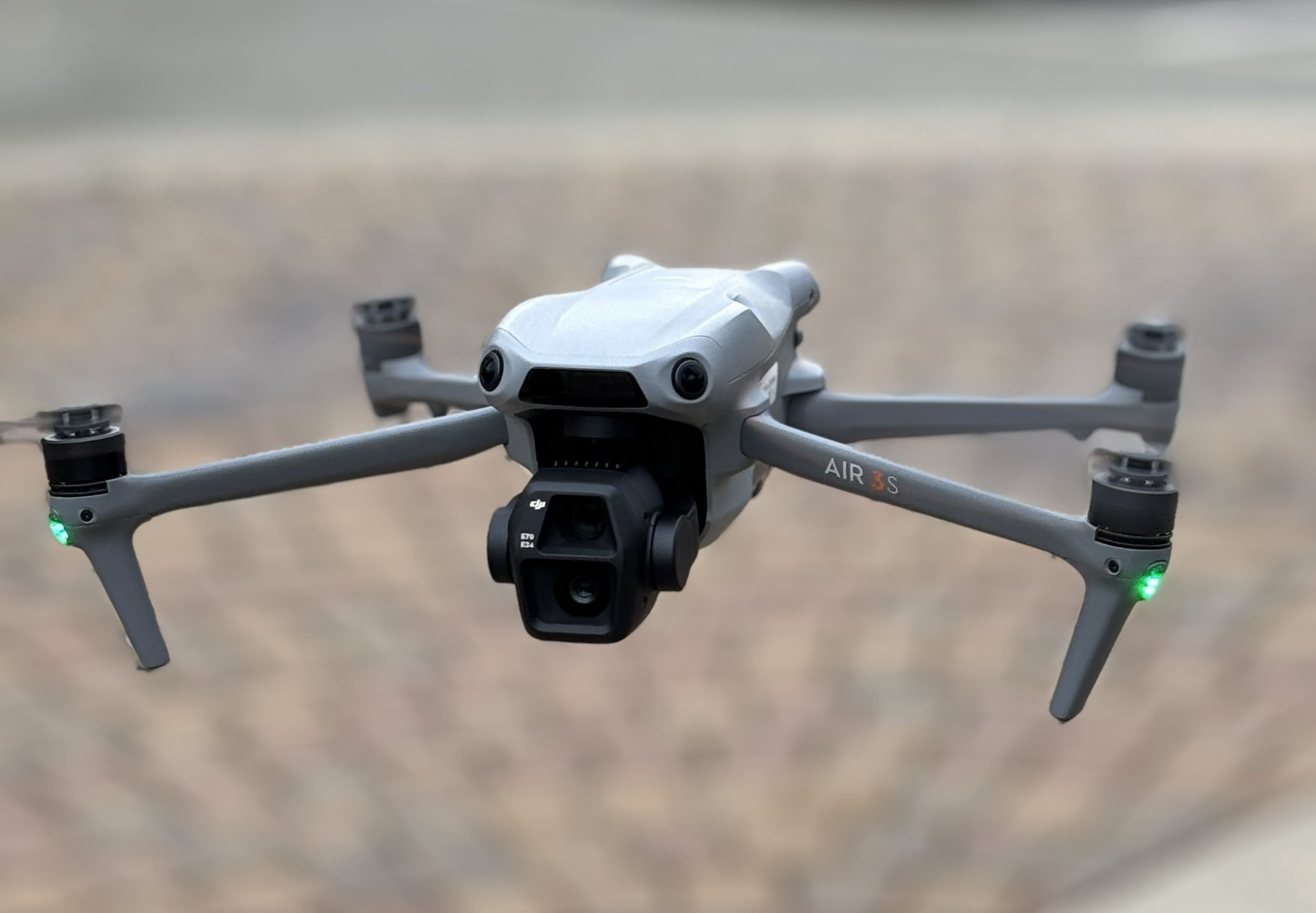
DJI Air3S
This whole thing started with a DJI Mini 3.
If you’ve read any of my other posts, you already know I’ve referred to it as a gateway drug — or my first beer. It was small, approachable, and just harmless enough to convince me I had everything under control. Much like your first beer, there was obviously more to follow.
At the time, the Mini 3 felt like one of the best entry points into drones if you wanted decent image quality without spending a fortune. Looking back, it still holds up as a solid starting place — but it didn’t take long before curiosity turned into ambition.
And ambition, in the drone world, gets expensive quickly.
Micro Drone ≠ Micro Responsibility
One thing I decided early on was that just because Transport Canada doesn’t require a license to fly a micro drone doesn’t mean you shouldn’t understand the rules.
Micro drone does not mean micro responsibility.
So even though I technically didn’t need to, I studied for the Basic RPAS license anyway. Not because I wanted another card in my wallet, but because I wanted to actually know what I was doing. Airspace rules, weather considerations, emergency procedures — all the unglamorous stuff that suddenly feels very important when you realize your “toy” is still an aircraft.
The Basic exam cost $10. I used free online resources, watched videos, did some practice questions, and passed it without much drama. Do you need to take the test if you only ever fly a micro drone? No. But should you at least know that material? I genuinely think yes.
The Upgrade Trap (and the Dent That Did It)
Like most people, I told myself I wasn’t going to upgrade.
Then I started looking at features.
ActiveTrack would be nice. Collision avoidance would be nice. A bit more range would be nice. And suddenly I was deep into the familiar mental gymnastics of “for a few hundred dollars more…”
Around this time, I also crashed the Mini 3. Twice. One of those crashes left a small dent that stared back at me every time I powered it on — a constant reminder that collision avoidance would, in fact, be pretty cool.
I briefly considered the Mini 4 Pro. Then rumours about the Mini 5 started floating around. Don’t get me started on that whole situation — I’ve already written a separate article on why a non-micro “Mini” doesn’t make much sense to me.
In the end, I landed on the DJI Air 3S.
Honestly, it’s the sweet spot. Prosumer, capable, respectable. Anything more starts to feel like overkill unless you’re doing serious commercial work. The Mavic line is impressive, but for what I do, the Air 3S made far more sense.
The Victoria Airspace Reality Check
I opened the airspace map around Victoria and it had more red dots than a teenager’s face the morning after discovering pizza and poor life choices.
This is the moment a lot of people hit the wall. Once you’re flying something bigger than a micro drone, the rules matter — especially here. Controlled airspace, authorization requirements, and restrictions that make it very clear: if you want to fly legally and with any flexibility around southern Vancouver Island, Basic isn’t going to cut it.
That’s when I realized Advanced wasn’t optional. It was inevitable.
Studying for Advanced (Without Paying for a Course)
I’m not anti-course.
I’m just pro-not-spending-money-I-don’t-have-after-buying-a-drone.
So I did what I’d done before: I found free resources. They’re everywhere if you’re willing to look — videos, study guides, practice exams, forums. I studied properly, took my time, and wrote the Advanced exam.
It cost another $10.
I passed.
No shortcuts. No paid program. Just time and effort.
The Flight Review (Not Nearly as Scary as You Think)
The part that intimidates most people is the flight review.
It shouldn’t.
I found a local flight reviewer who was excellent — calm, professional, and genuinely invested in making sure I was flying safely and legally. It felt less like an interrogation and more like someone confirming I wasn’t about to do something stupid with an aircraft.
We talked through scenarios, flew practical exercises, and focused on decision-making rather than perfection. I passed without any drama.
The Real Cost Breakdown
Here’s the part everyone actually wants to know.
From no license at all to Advanced RPAS certification, my costs looked roughly like this:
Basic exam: $10
Advanced exam: $10
Flight review: about $200
Safety gear (fire extinguisher, cones, a few odds and ends): roughly $50
All in, I came in under $300.
Could you spend more? Absolutely.
Should you, if a course fits your learning style? Maybe.
Do you have to? No.
A Quick Reflection on Entry-Level Drones (Now vs Then)
At the time I started, the Mini 3 was the obvious choice if you wanted a capable camera in a micro drone.
If I were starting today, I’d probably point people toward something like the Neo 2 as a true entry-level option — especially for learning. And if budget allowed, the Mini 4 Pro would be very high on my list.
The key thing is this: your first drone doesn’t need to be perfect. It just needs to get you flying, learning, and thinking responsibly.
Final Thoughts
This isn’t about chasing licences or justifying upgrades. It’s about understanding the airspace you’re flying in — especially in Canada, where the rules are clear, even if they’re sometimes frustrating.
You don’t need to rush. You don’t need to buy the most expensive drone. And you don’t need to spend thousands to become compliant.
Learn the rules. Fly legally. And maybe don’t ignore the dent in your drone the way I did.
Related reads
Business & Property Drone Services
Professional aerial photos and video for businesses, restaurants, hotels, and properties across Greater Victoria — handled safely, legally, and without guesswork.
Construction Drone Services
Progress tracking, site documentation, and inspections for construction projects in the Westshore and Greater Victoria, with compliant and insured operations.
DJI Drones & Accessories
Straightforward reviews and recommendations for DJI drones and accessories, based on practical experience and long-term use.
