Living With the DJI Air 3S on Vancouver Island
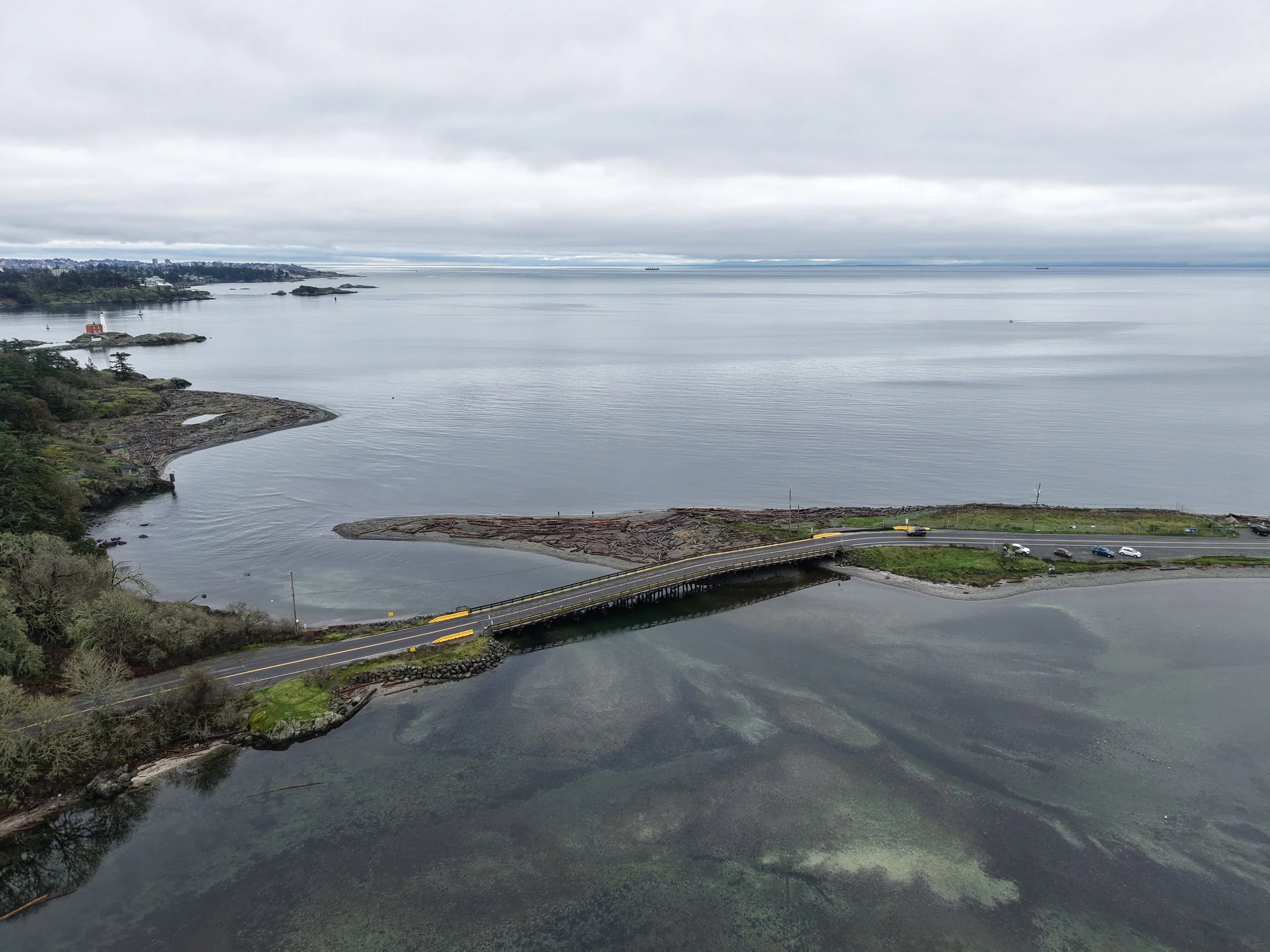
Shot with DJI Air3S
I’ve been flying the DJI Air 3S for a while now across Vancouver Island, mostly in real-world conditions—coastal wind, changing light, early mornings, and familiar locations shot repeatedly over time. After living with it, I’m comfortable saying this: for the money, it’s one of the best drones available in Canada if you’re willing to get an Advanced RPAS license.
That license requirement alone will steer some people toward smaller drones, but if you’re already considering something beyond a micro, the Air 3S deserves serious attention.
For reference, DJI’s official Air 3S product page lays out the full specs and feature set if you want the manufacturer’s overview.
→DJI’s official Air 3S product page
Dual lenses change how you shoot
The dual-camera setup is one of the biggest reasons I enjoy flying the Air 3S. Being able to switch focal lengths mid-flight makes a huge difference when revisiting the same locations.
From similar takeoff points and angles, I can get:
wider contextual shots
tighter, more compressed compositions
different storytelling options without repositioning the aircraft
It keeps familiar places feeling fresh and gives you flexibility that’s hard to go back from once you’ve used it.
Wind resistance matters more than specs
On paper, smaller drones can look appealing. In practice—especially on the Island—weight matters.
Compared to a Mini, the Air 3S:
handles wind far better
feels more planted and predictable
inspires confidence in marginal conditions
That stability translates directly into better photos and video, and less second-guessing when conditions aren’t perfect.
Image quality and collision avoidance
The image quality has been consistently solid for what I shoot: coastal landscapes, sunrises, and elevated context shots. Combined with robust collision avoidance, the Air 3S feels like a tool you can trust rather than babysit.
It’s also rugged. At one point, we unexpectedly clipped a branch. The drone went down, but it was my ego that took the bigger hit—the Air 3S came out of it without issue. That kind of durability matters when you’re flying regularly, not just on perfect days.
ND filters and real-world usability
DJI’s ND filters for the Air 3S are easy to use and integrate well into a normal workflow. They’re not something you fight with or overthink—you put them on and get back to flying.
The drone itself isn’t particularly loud for its size, which helps when flying early or in quiet environments. It’s not silent, but it’s well-balanced and unobtrusive for a drone in this class.
Why I’d choose this over a Mini in Canada
This is where things get interesting for Canadian pilots.
With recent changes, drones like the DJI Mini 5 Pro are no longer classified as micro drones in Canada. Once you’re no longer operating under micro-drone rules, the advantage of going “Mini” starts to disappear.
If you’re already committing to:
registration
compliance
additional rules
Then it’s worth asking whether stepping up to the Air 3S makes more sense.
Yes, it costs more.
But in return, you get:
better wind handling
better cameras
collision avoidance
dual lenses
a more capable, longer-term platform
For many pilots, that step up is worth it.
From Mini 3 to Air 3S
We started with a Mini 3, and it was absolutely a gateway drone. It taught us the basics and confirmed that this was something we wanted to take seriously.
Rather than upgrading incrementally again, moving straight to the Air 3S made sense. It’s a drone you can grow into instead of outgrowing quickly.
Final thoughts
After months of use, I’m genuinely happy with the Air 3S. No regrets, no disappointments, and no feeling that I settled.
If you’re flying in Canada, willing to pursue an Advanced licence, and want a drone that balances capability, durability, and flexibility, the DJI Air 3S remains a very strong choice.
Related Reads
Hiring a Drone Pilot in Victoria, BC — What It Costs and What You Get
Straightforward pricing, what’s included, and what the process looks like if you need aerial photos, video, inspections, or a better look at something from above.
DJI Lito X1 vs Mini 4 Pro: This Changes What Drone I Recommend in Canada
A closer look at how the Lito X1 stacks up against the Mini 4 Pro—and why it might be the better buy for most people right now.
DJI Neo 2 After 3 Months — Still Worth It?
What happens after the novelty wears off. Real use, real bumps, and why this thing still comes everywhere with us without even thinking about it.