Enterprise Drones for Inspection: Why They’re Used (and Where They Actually Help)
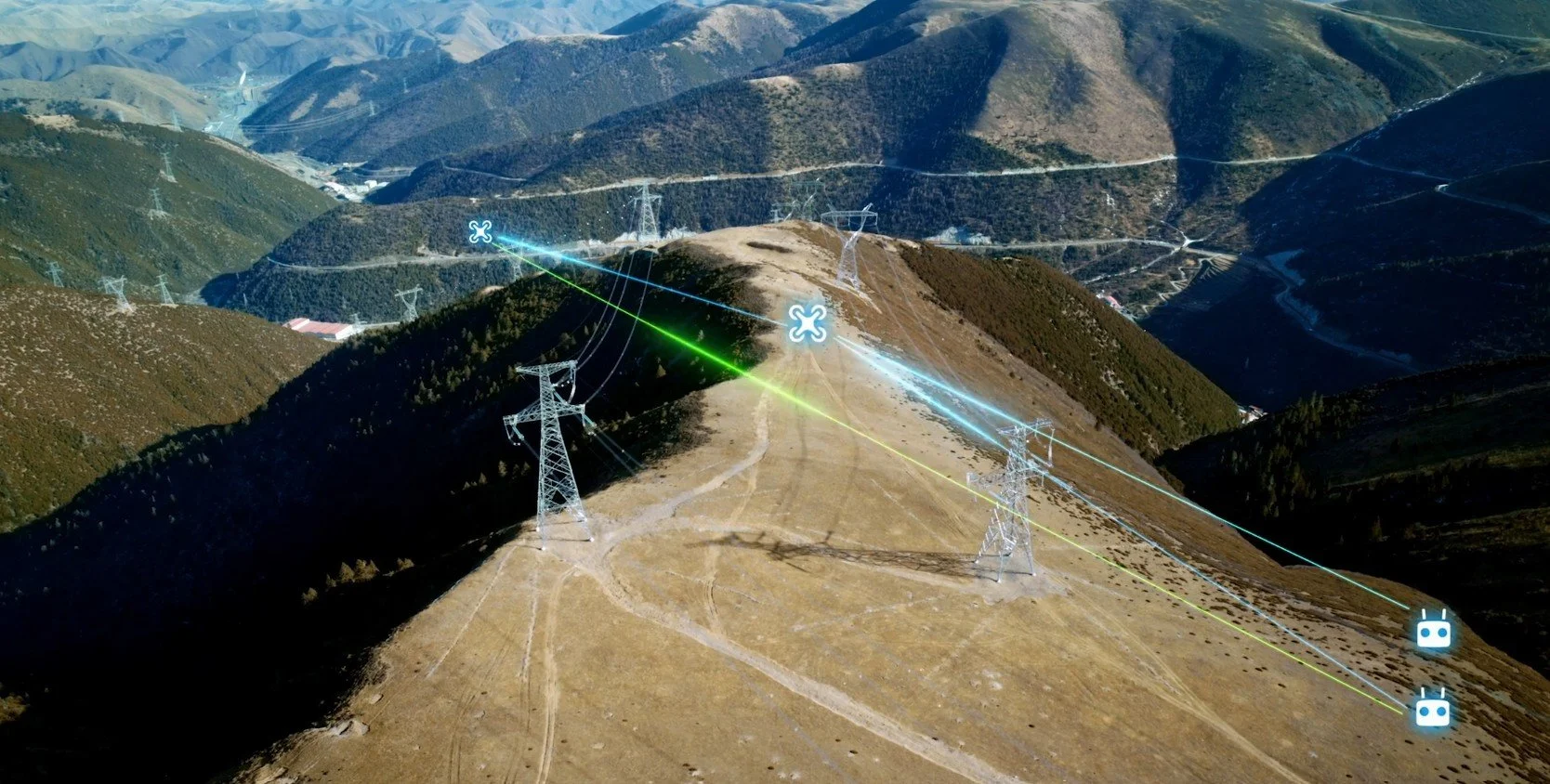
Inspections are one of those jobs where drones didn’t just make things easier — they made them safer.
Long before drones were common on construction sites or in marketing, they were being used to inspect things people didn’t really want to climb, hang from, or shut down just to take a closer look.
That’s where enterprise drones come in.
Why Inspections Were an Early Fit for Drones
Traditional inspections often involve:
Working at height
Shutting down equipment or access
Limited viewing angles
Time-consuming manual checks
Increased risk to personnel
Drones changed that equation by allowing inspectors to collect detailed visual and thermal data without putting people in dangerous positions or interrupting operations more than necessary.
Enterprise drones exist because inspections need precision, repeatability, and reliability, not just photos.
What Makes Inspection Drones “Enterprise”
Inspection-focused enterprise drones are built around data capture, not convenience.
Compared to consumer drones, enterprise platforms are designed to support:
Close-range, multi-angle inspections
High-resolution visual imagery for fine detail
Thermal imaging to detect heat anomalies and defects
Repeatable flight paths for consistent inspections over time
Stable flight in complex environments
This makes them suitable for inspections where missing a small detail can turn into a big problem later.
Electricity and Power Infrastructure Inspections
Electrical infrastructure was one of the earliest adopters of drone inspections.
Common use cases include:
Powerline inspections
Close-range, multi-angle views
Reduced need for climbing or lift equipment
Improved safety and inspection efficiency
Substation inspections
Visual and infrared inspections
Detecting overheating components
Supporting safe, stable power operations
Drones allow inspectors to gather detailed data while maintaining safe distances from live equipment.
Oil, Gas, and Industrial Facilities
In oil and gas environments, inspections are often complex, repetitive, and expensive to perform manually.
Enterprise drones are commonly used for:
Facility inspections
Visual and thermal checks
Early detection of defects or irregularities
Pipeline inspections
Monitoring pumping units and stations
Identifying leaks, loose components, or damage
Reducing inspection time across large areas
Here, drones help reduce downtime and improve inspection coverage without increasing risk.
Renewable Energy Inspections
Renewable energy sites benefit from inspections that are both frequent and consistent.
Typical applications include:
Photovoltaic power plants
Autonomous or repeatable flight paths
Thermal imaging to identify faulty panels
Faster detection of performance issues
Wind turbine inspections
Close inspection of blades and components
Early detection of cracks or surface damage
Reduced need for rope access or shutdowns
In these cases, drones help protect both personnel and long-term infrastructure investment.
Infrastructure and Building Inspections
Drones are also widely used to inspect large or hard-to-access structures.
Common examples include:
Bridge inspections
High-resolution imagery
Digital models and inspection records
Reduced need for lane closures or scaffolding
Roof inspections
Identifying cracks, leaks, and damage
Keeping people off hazardous rooftops
Faster assessments after storms or events
For infrastructure, drones provide a safer way to document condition while creating a visual record that can be reviewed and shared.
Why Enterprise Platforms Are Used for Inspections
Inspection work benefits from drones that are:
Reliable in varied environments
Capable of carrying visual and thermal sensors
Stable at close range
Designed for repeatable, documented workflows
That’s why enterprise platforms like the DJI Matrice are commonly referenced in inspection use cases across energy, infrastructure, and industrial sectors.
For readers who want a deeper technical look at DJI’s enterprise inspection workflows and platforms, DJI outlines these use cases in detail on their enterprise site:
Learn more about DJI Enterprise inspection applications here
Final Thought
Inspections are about reducing uncertainty.
Enterprise drones exist because some inspections demand accuracy, consistency, and safety that manual methods struggle to deliver efficiently. Whether inspecting power infrastructure, industrial facilities, renewable energy assets, or large structures, drones allow teams to collect better information while keeping people out of harm’s way.
Disclosure: This article is for informational purposes only. The author is not affiliated with DJI and does not sell DJI products or enterprise services. DJI platforms are referenced as examples of enterprise inspection technology.
Related Reads
Business & Property Drone Services
Professional aerial photos and video for businesses, restaurants, hotels, and properties across Greater Victoria — handled safely, legally, and without guesswork.
Construction Drone Services
Progress tracking, site documentation, and inspections for construction projects in the Westshore and Greater Victoria, with compliant and insured operations.
DJI Drones & Accessories
Straightforward reviews and recommendations for DJI drones and accessories, based on practical experience and long-term use.
