DJI Lito 1 vs Lito X1: Which One Actually Makes Sense?
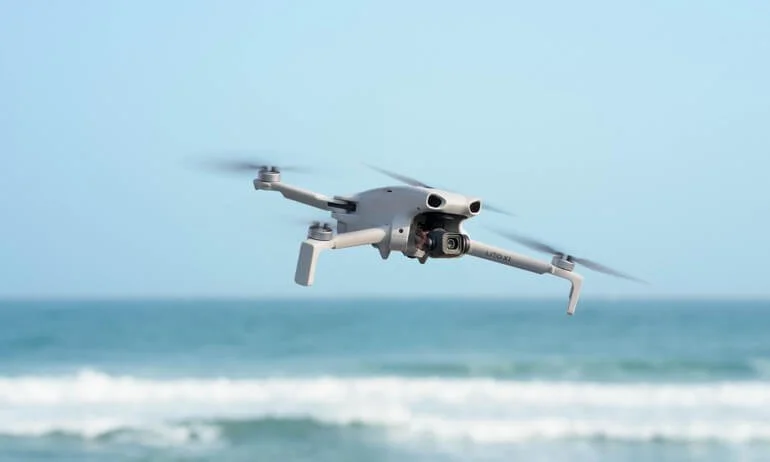
DJI Lito X1
My first drone was a DJI Mini 3, and I thought it was the greatest thing I’d ever bought.
Like your first beer.
Tastes a little sweet, feels harmless, and you’re sitting there thinking, “Yeah, this is nice. I don’t see what the big deal is.”
Fast-forward a bit and now you’re hungover, making questionable decisions and somehow convincing yourself you need another one.
That’s drones.
That’s exactly how this starts.
At the time, the Mini 3 was perfect. I wasn’t crashing it much, the footage looked great to me, and I had absolutely no reason to upgrade.
Until I did.
Because once you get a taste of this stuff, you start noticing things. Not huge things. Just enough little things to become irritating.
You wish it tracked subjects. You wish it had obstacle avoidance so you weren’t flying like a nervous squirrel. You see footage online that looks slightly cleaner and sharper, and suddenly you’re wondering what the hell you’re missing.
That’s how DJI gets you.
You don’t wake up one morning and decide to spend thousands of dollars on drones.
You slowly get addicted to that good, good DJI.
So naturally, I did the responsible thing and went from the Mini 3 straight to an Air 3S.
Totally reasonable.
Very measured decision-making.
In my head, I had it all figured out. I was getting my Advanced certificate. I wanted to do construction work. I needed something more professional.
The Mini 3 was a great drone, but it started feeling like a toy once I began telling myself I was doing real work.
The Air 3S felt like stepping into the big leagues.
Prosumer.
Legitimate.
Justifiable.
That’s the story I told myself, anyway.
Then DJI Released the Lito 1
Now DJI has the Lito 1, and this is where things get dangerous.
Because you look at it and think:
Hold on.
This thing already has many of the features that made me upgrade from my Mini 3.
You get ActiveTrack, omnidirectional obstacle sensing, automated camera moves and a proper folding camera drone that weighs approximately 249 grams.
This isn’t a sad little starter drone with a potato attached to the front.
The Lito 1 is already enough drone for plenty of people.
It gives new pilots a traditional controller-based flying experience. You can learn how to frame shots, control your movements, plan a flight and create something intentionally instead of simply launching a tiny follow-me drone and letting DJI’s wizardry handle everything.
For somebody who wants a capable first camera drone at the lowest reasonable price, the Lito 1 makes a pile of sense.
So naturally, the question becomes:
What the hell is the point of the Lito X1?
The X1 Is Better
Here’s the honest answer.
The X1 is better.
Not because the Lito 1 is bad. It isn’t.
The problem is that the X1 improves several of the exact things you may start caring about once the first-drone excitement wears off.
The Lito X1 has the larger 1/1.3-inch camera sensor, compared with the 1/2-inch sensor in the Lito 1. It adds more capable video options, forward-facing LiDAR and 42GB of internal storage.
Both drones offer ActiveTrack and omnidirectional obstacle sensing, so the Lito 1 isn’t flying around completely unaware of the trees waiting to ruin its afternoon.
But the X1 gives you a stronger overall camera and sensing package with fewer obvious reasons to start shopping again six months later.
And that matters more than it sounds.
No, This Isn’t a Hands-On Comparison
Before the internet police arrive, I haven’t flown these two drones side by side.
This isn’t a laboratory comparison, and I’m not going to pretend I personally tested the camera difference in seventeen lighting conditions while wearing a white coat.
I’ve handled the X1, followed both models closely and spent plenty of time flying DJI drones, including the Air 3S I use for paid work.
This is a buying recommendation based on the equipment, pricing and the features I know people eventually start wanting.
And right now, my recommendation is pretty simple:
If your budget allows it, buy the X1.
The Camera Is Where Upgrade Regret Begins
When I bought my Mini 3, I didn’t think I cared that much about camera quality.
The footage looked great.
Then I bought the Air 3S and discovered that I did, in fact, care about camera quality.
That’s the problem with seeing better.
The Lito 1’s camera should be perfectly useful for travel, family outings, social media, YouTube and anybody learning to shoot aerial footage.
But the X1’s larger sensor gives it more image quality and flexibility before you start looking toward the Mini Pro or Air series.
Will everyone notice the difference immediately?
Probably not.
Will you eventually start wondering about it after watching enough comparison videos at midnight?
Almost certainly.
That is how we got here in the first place.
The Internal Storage Will Save Your Ass
I’ll tell you which difference will matter one day, even if it doesn’t sound exciting while you’re shopping.
The internal storage.
The Lito X1 has 42GB built in.
Sooner or later, you’re going to wake up early, grab a coffee, drive somewhere beautiful and unfold your drone while feeling like you finally have your life together.
Then you’ll realize the SD card is sitting at home in a card reader beside your computer.
Now what?
Now you’re standing there with an expensive flying camera that can do everything except record the reason you brought it.
It’s like dropping a deuce and realizing there’s no toilet paper.
You’re already committed. There’s no graceful way out. You’ve only got yourself to blame, and you’re immediately questioning every decision that brought you here.
That’s when 42GB of internal storage stops sounding like a boring specification and becomes the greatest invention in human history.
Not sexy.
Not exciting.
Extremely useful.
Every drone should have enough onboard storage to save you from your own occasional incompetence.
Somehow, they still don’t.
Forward-Facing LiDAR Is Also Nice to Have
Both drones have omnidirectional obstacle sensing, but the X1 adds forward-facing LiDAR.
That doesn’t make it indestructible.
Tiny branches, wires and poor lighting can still ruin your day. Collision avoidance should always be treated as backup rather than permission to fly like an idiot.
But if I’m choosing a drone that I intend to keep for several years, I would rather have the stronger sensing package.
It’s another feature you may not fully appreciate while standing at the checkout.
You’ll appreciate it considerably more when a tree enters the conversation.
Buy the Good Controller and Extra Batteries
This is the part where I stop pretending the decision is complicated.
If you’re buying the X1, get the Fly More Combo with the DJI RC 2 controller.
Buy the extra batteries.
Buy the controller with the built-in screen.
Then stop shopping and go fly the damn thing.
The phone-based controller works, but it also means mounting your phone, connecting a cable and handing your phone over to the drone every time you want to use it.
The RC 2 feels like a proper piece of equipment. Turn on the controller, turn on the aircraft and fly.
No cable.
No clamping your phone into anything.
No notification from work appearing while you’re trying to frame a beautiful sunset.
Extra batteries are just as important.
One battery is enough to launch, find the shot and receive a low-battery warning just as things become interesting.
Three batteries give you enough time to get the safe footage, try something different and make at least one questionable creative decision before packing everything away.
At the time of writing, the DJI Lito X1 Fly More Combo with the RC 2 is about $879 CAD before tax on Amazon Canada.
That isn’t cheap.
But it buys a complete setup instead of the beginning of an upgrade plan.
So Who Should Buy the Lito 1?
Buy the Lito 1 if keeping the initial price down is the main priority.
It is still an impressively capable first camera drone. You get tracking, obstacle sensing, automated shooting modes and a proper controller-based flying experience without immediately wandering into four-figure territory.
For somebody who wants to learn, fly occasionally and create good-looking footage without turning this into another financial addiction, the Lito 1 may be all the drone they need.
There is absolutely nothing wrong with buying enough.
I just know how this tends to go.
Who Should Buy the Lito X1?
Buy the X1 if you already suspect “enough” is a lie you tell yourself before buying another drone six months later.
The better camera matters.
The forward-facing LiDAR matters.
The internal storage will absolutely matter the morning you forget your SD card.
Most importantly, the X1 gives you fewer reasons to start staring at the next model up.
You aren’t going to buy it and immediately wish you had chosen the better Lito.
You already did.
And with the RC 2 and extra batteries, you aren’t going to spend the next year slowly rebuilding the package you should have bought in the first place.
What About the Air 3S?
If you’re already telling yourself that you might eventually do professional work, want a more substantial aircraft or need better cameras, then yes, you may start looking at something like the DJI Air 3S.
That’s exactly what happened to me.
But moving into the Air series also means leaving the microdrone category in Canada. The aircraft is larger, more expensive and carries considerably more regulatory baggage.
The Air 3S is the better professional tool.
The Lito X1 is the drone I would recommend to most people who specifically want to remain under 249 grams.
Those are different jobs.
The Answer Has Become Pretty Simple
The Lito 1 is good.
The Lito X1 is the one I’d buy.
That’s a firmer position than I had when these drones first appeared, but the longer I’ve looked at the lineup and current Canadian pricing, the clearer it has become.
If you only want the cheapest sensible entry into a proper DJI camera drone, get the Lito 1.
If you can stretch to the X1 Fly More Combo with the RC 2, do it.
You’ll get the better camera, stronger sensing package, useful onboard storage, extra batteries and the controller you won’t immediately want to replace.
Then you can enjoy flying without spending every evening researching the drone you should have bought.
At least for a while.
This is still DJI we’re talking about.
They’ll find another way to get you.
Check the latest DJI Lito 1 pricing on Amazon Canada.
Check the latest DJI Lito X1 pricing on Amazon Canada.
Check the latest DJI Air 3S pricing on Amazon Canada.
Because that’s how DJI addiction works.
First it’s the cute little one.
Then it’s the better one.
Then suddenly you’re comparing camera sensors, controller bundles, wind resistance and log profiles while calling the entire thing “research.”
Welcome to DJI Addiction Anonymous.
Meetings are at sunrise.
Bring charged batteries.
As an Amazon Associate, Vancouver Island Drones may earn a commission from qualifying purchases made through links on this page. It doesn’t change what you pay, but it may help offset our ongoing DJI addiction.
Related Reads
The DJI Lito X1 Is the Drone I’d Recommend Right Now
Done comparing and just want the answer? Here’s why I’d buy the Lito X1 Fly More Combo with the RC 2—and avoid immediately wishing I’d bought the better one.
Which DJI Drone Should You Buy First: Neo 2, Lito 1, or Lito X1?
A practical, slightly biased look at the Neo 2, Lito 1 and Lito X1—from the flying yellow Labrador to the first proper camera drone and the one you’re least likely to outgrow.
DJI Air 3S After a Year — The Drone I’d Buy Again
More than a year of sunrise flights, tracking tests and paid commercial work—and why the Air 3S is still the drone I reach for when the result really matters.
